Live South African Inventory

Laptops for Video Editing

Video editing depends on codec support, processor performance, GPU acceleration, memory, fast storage and display quality. Timeline resolution and effect complexity should guide the final configuration.

42 matching laptop products currently listed

Recommended requirements

  • CPU: Choose a recent Core i5 or Ryzen 5 as a practical baseline...
  • RAM: Use 16GB RAM for sustained professional multitasking and 3...
  • Storage: Choose at least a 512GB SSD or NVMe drive when application...
  • GPU: Choose supported dedicated NVIDIA or AMD graphics for acce...

Current stock

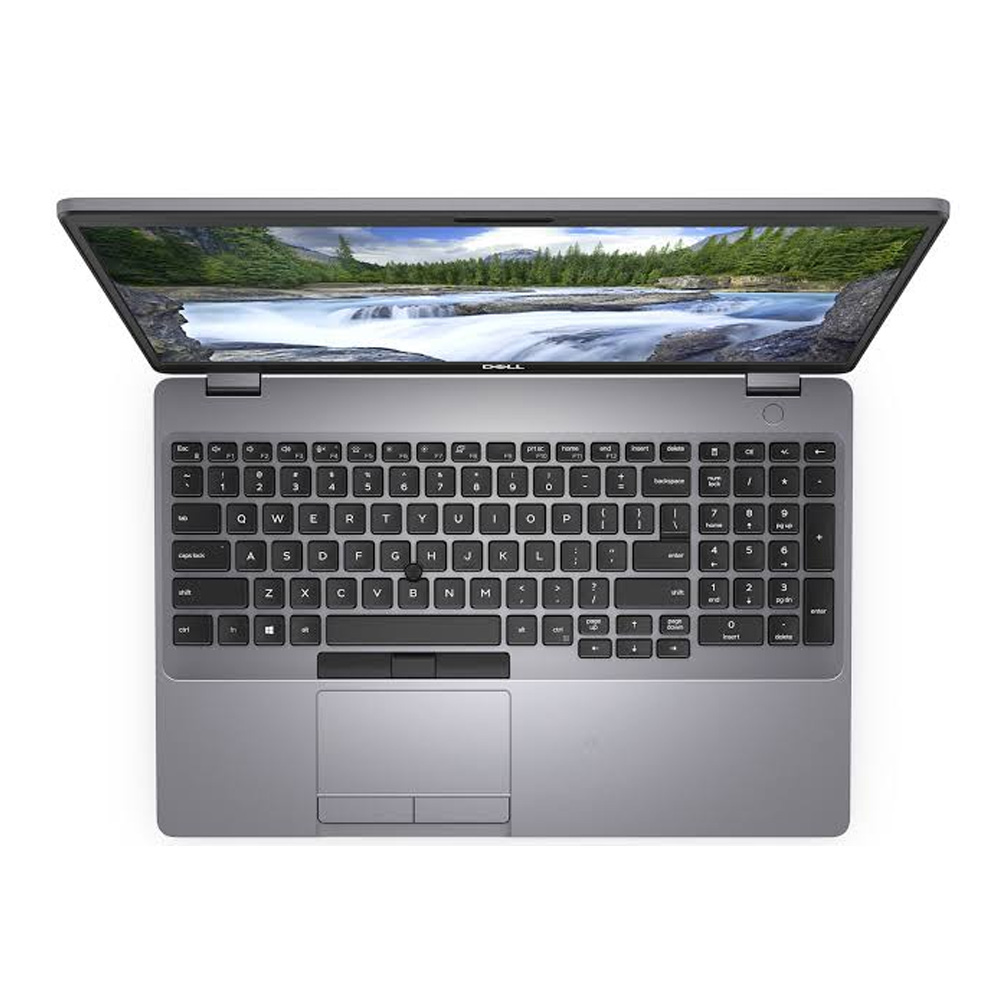
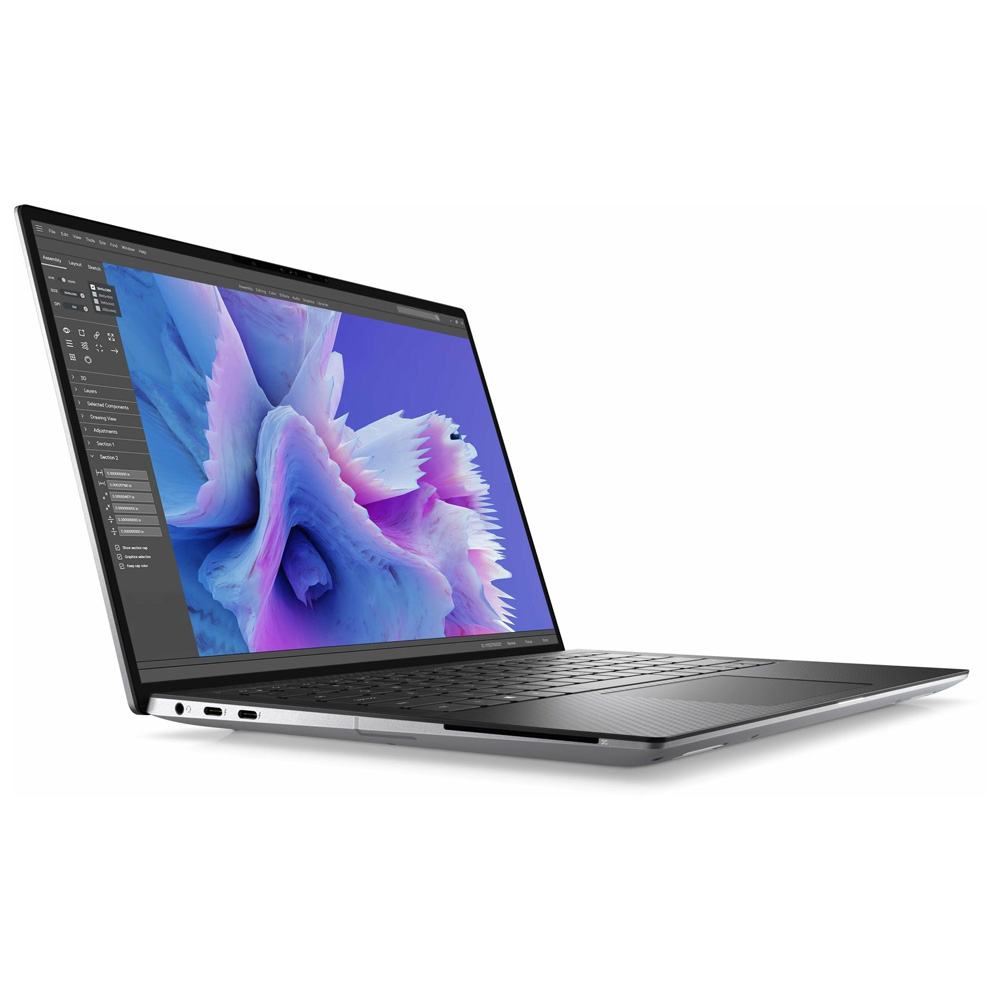
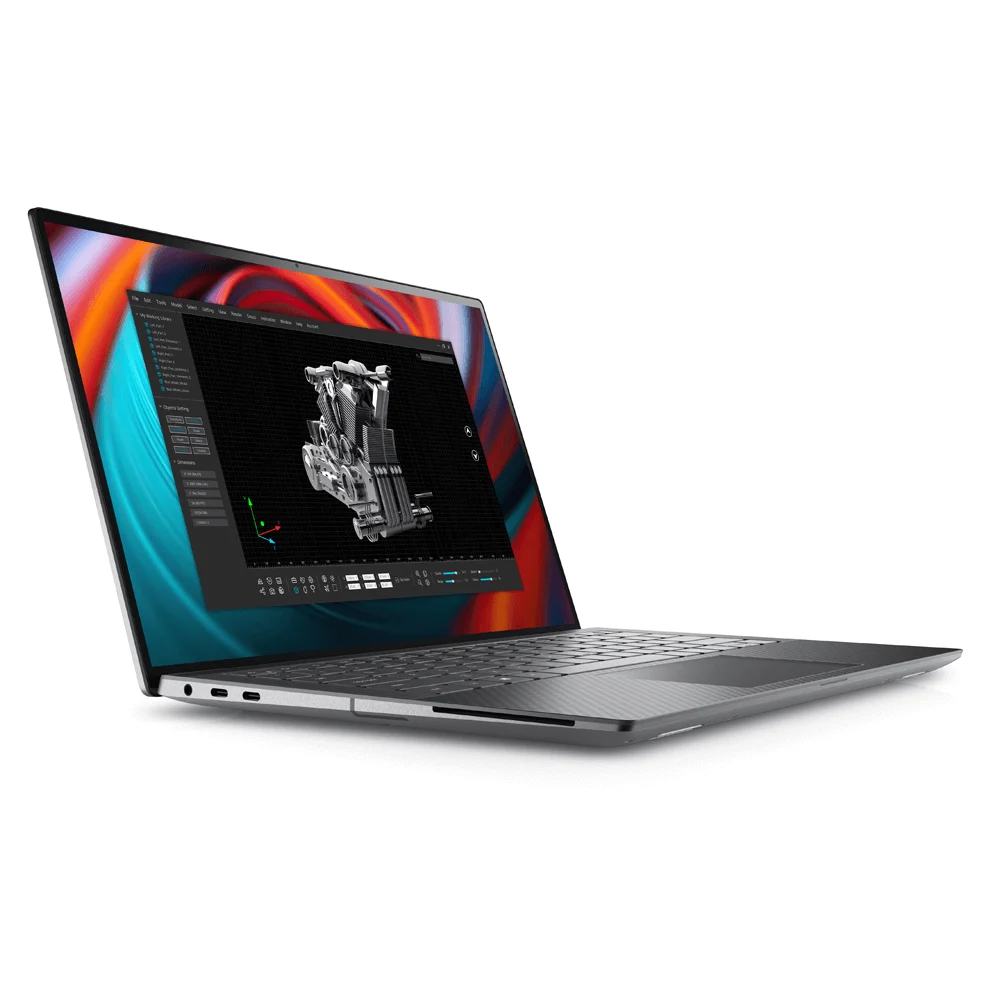
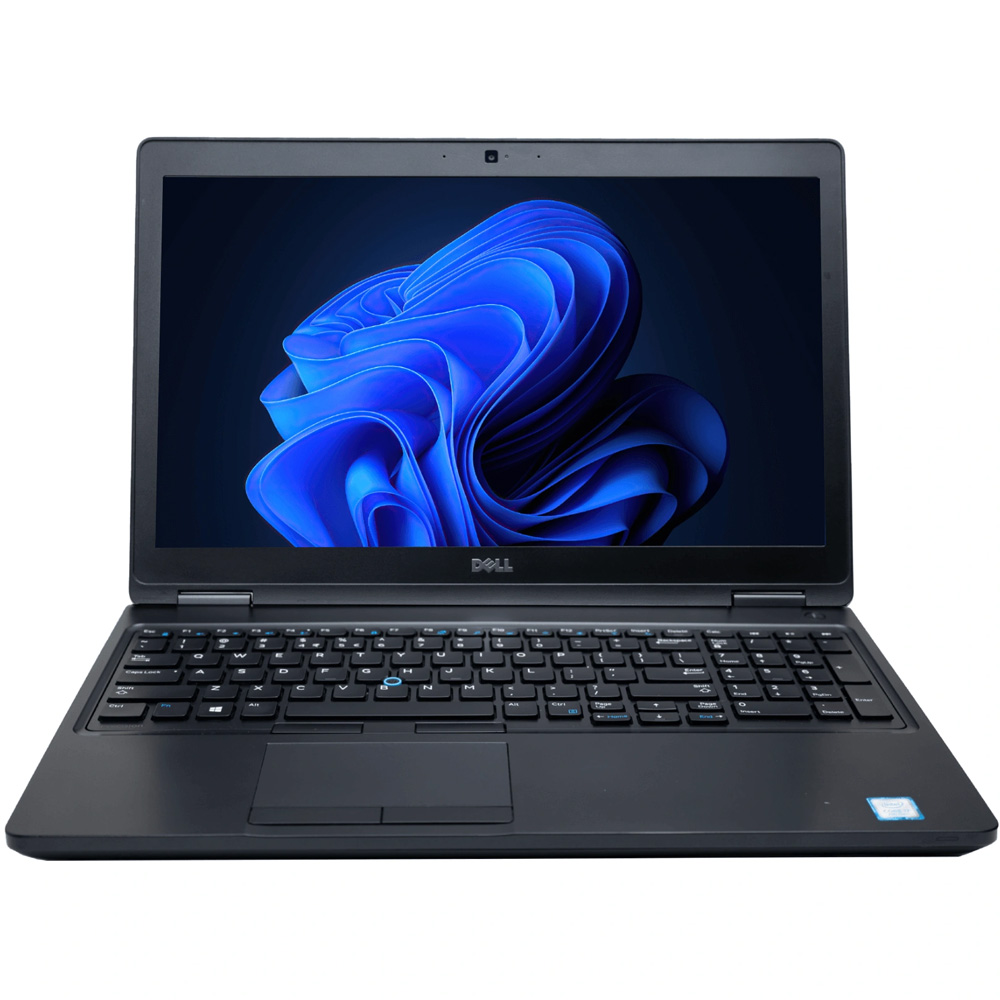
Available Laptops for Video Editing

Browse the complete catalogue →

42 models

Specification guide

What specifications should you look for?

Use these recommendations as a buying baseline, then confirm the published requirements of the exact software and workload you use.

CPU

Choose a recent Core i5 or Ryzen 5 as a practical baseline; Core i7 or Ryzen 7 provides headroom for heavier concurrent work.

RAM

Use 16GB RAM for sustained professional multitasking and 32GB when large projects or virtual machines are routine.

Storage

Choose at least a 512GB SSD or NVMe drive when applications and project files are stored locally.

GPU

Choose supported dedicated NVIDIA or AMD graphics for accelerated effects, rendering and complex visual projects.

VRAM

Aim for at least 4GB VRAM for moderate projects and more for high-resolution assets, complex scenes or 4K timelines.

Screen

Prioritise a Full HD or higher IPS-class display; colour work benefits from verified sRGB or wider-gamut coverage.

Recommended laptop families to compare

Dell XPS · Dell Precision · HP ZBook · Lenovo ThinkPad P-series

Family recommendations are starting points. Only products matching this page’s live inventory rules appear below.

Workload guide

Choose for the editing workflow

Premiere Pro, DaVinci Resolve and After Effects differ in CPU, GPU, VRAM and memory use. Timeline resolution, codecs, effects and export workflow should guide the configuration.

Editing and playback

A capable processor, 16GB or more RAM and fast SSD storage help with mainstream editing. High-resolution timelines, demanding codecs and layered effects can increase CPU, memory and GPU requirements.

GPU, VRAM and effects

Choose dedicated graphics when the editor and effects use GPU acceleration. Verify the exact GPU and VRAM against the software version instead of assuming every discrete GPU is equally suitable.

Storage and external media

Project files, proxies, caches and exports can consume substantial capacity. A 1TB internal SSD or suitable external storage may be useful, but ports and transfer standards must be confirmed on the exact laptop.

How to shop this category

Start with the work the laptop must perform, then compare the complete configuration rather than one badge or headline number. Processor generation, RAM, storage type, graphics, display, condition and cosmetic grade all influence value. A balanced laptop with SSD storage and enough memory can feel faster in normal use than a poorly balanced model carrying a more recognisable processor name.

Every product shown here is drawn from the live AffordableLaptops.co.za catalogue using the criteria for laptops for video editing. Prices are current public prices, while quantities reflect the available variants recorded in the store. Stock changes as products are imported and sold, so open the individual product page to confirm the exact configuration, grade, availability, warranty information and delivery options before ordering.

Refurbished, used and demo devices should be evaluated transparently. Cosmetic grade describes appearance; it does not replace the processor, memory, storage and condition details. For bulk orders, matching quantities and consistent configurations may be more important than selecting the lowest-priced individual unit. For personal purchases, portability, keyboard, ports, screen size and battery expectations can matter as much as benchmark performance.

Buying checkpoint 1

Choose a recent Core i5 or Ryzen 5 as a practical baseline; Core i7 or Ryzen 7 provides headroom for heavier concurrent work.

Buying checkpoint 2

Use 16GB RAM for sustained professional multitasking and 32GB when large projects or virtual machines are routine.

Buying checkpoint 3

Compare the complete configuration, live quantity, condition, grade, warranty and final public price before ordering.

Frequently asked questions

What specifications should I prioritise for Laptops for Video Editing?

Choose a recent Core i5 or Ryzen 5 as a practical baseline; Core i7 or Ryzen 7 provides headroom for heavier concurrent work. Use 16GB RAM for sustained professional multitasking and 32GB when large projects or virtual machines are routine. Choose at least a 512GB SSD or NVMe drive when applications and project files are stored locally.

Which laptop families suit Laptops for Video Editing?

Useful families include Dell XPS, Dell Precision, HP ZBook, Lenovo ThinkPad P-series. The exact processor, memory, graphics and condition of the available configuration still matter more than the family name alone.

Are these products currently available?

The inventory is populated from active variants with recorded stock. Quantities and prices can change as units are imported or sold.

Open WhatsApp chat